
Short answer first:
Book 4–6 months in advance minimum, and 6–8 months ahead for peak season.
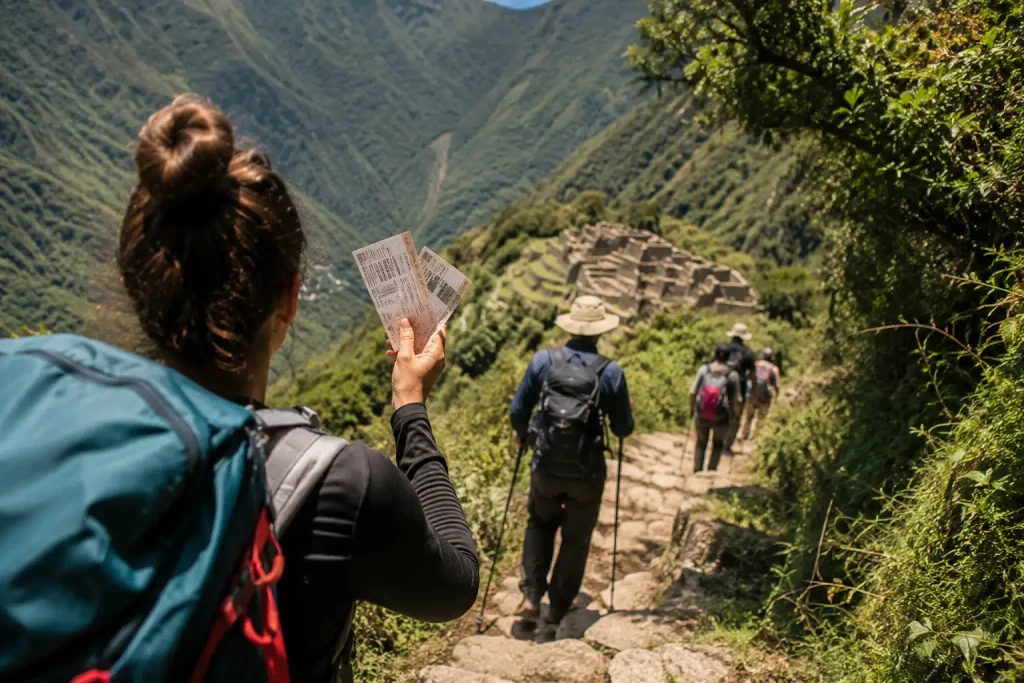
Here’s why that matters: The Inca Trail is tightly regulated. Only about 200 trekking permits per day are available to travelers (the rest go to guides and porters), and once a date sells out, it’s gone for good.
During the dry season (May to September), the most popular dates can sell out within hours of release or months ahead of time.
Booking Timeline 2027 Reality
Use this as your planning baseline:
| Travel Season | Months | How Early to Book | Reality |
| Peak season | May – September | 6–8 months ahead | Dates sell out extremely fast |
| Shoulder season | April & October | 4–6 months ahead | Good balance of weather + availability |
| Rainy season | November – January | 2–3 months ahead | Easier availability |
| February | — | Not possible | Trail closed for maintenance |
Even conservative sources still recommend at least 4–6 months in advance due to demand and permit limits.
Important: 2-Day vs 4-Day Inca Trail, Which Should You Book?
Before you even think about timing, you need to pick the right version of the trail. Both require permits. Both take you to Machu Picchu. But the experience is completely different.
The 4-Day Inca Trail: Classic Experience
This is the full route, the one people imagine.
- 43 km of hiking across multiple ecosystems
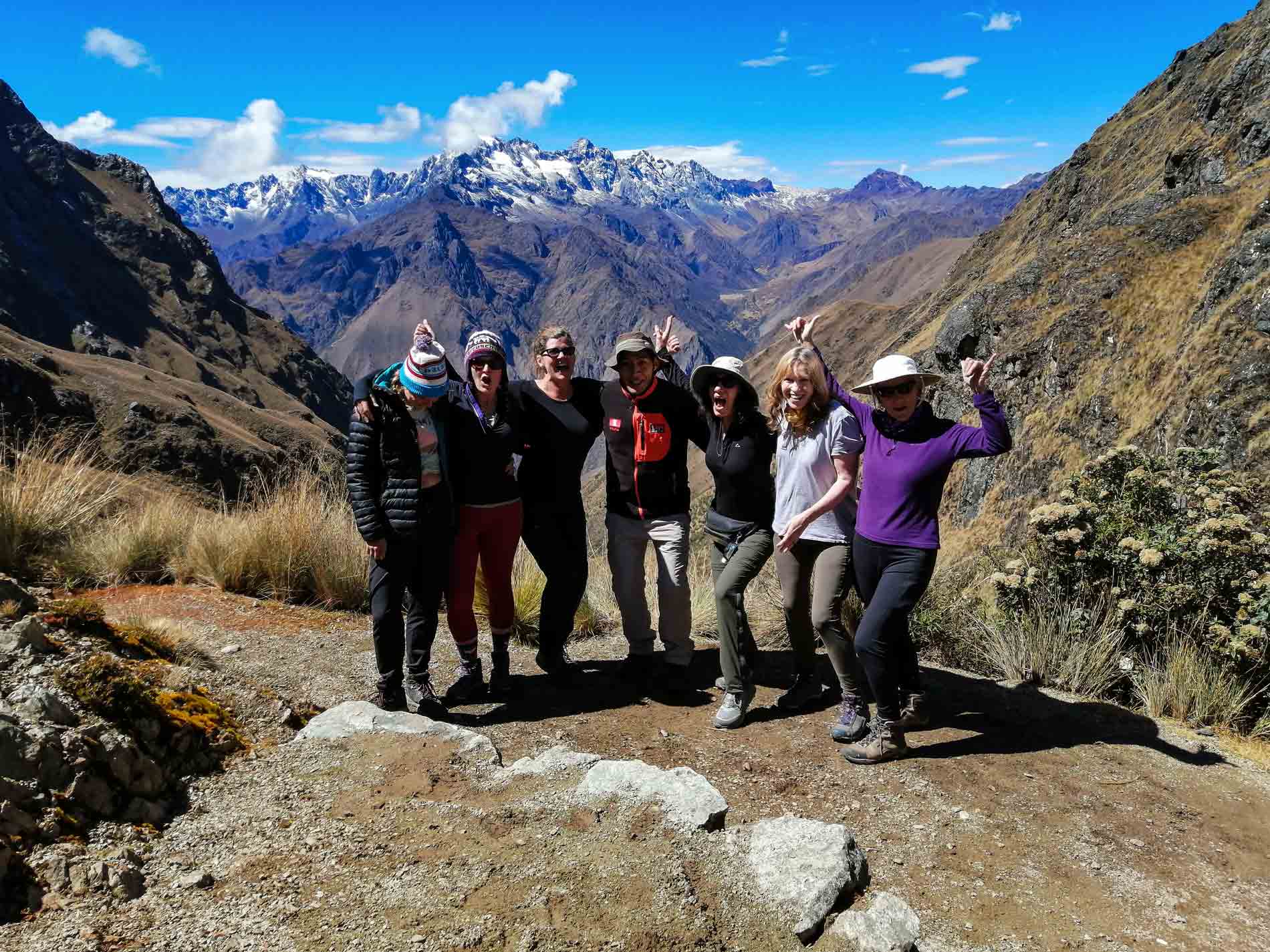
- Crosses Dead Woman’s Pass (4,215 m)
- Visits multiple Inca ruins along the way
- 3 nights camping
- Arrive at Machu Picchu through the Sun Gate at sunrise
Best for:
Travelers who want the full journey, history, and physical challenge
Booking reality:
This version sells out the fastest, often 6+ months in advance
The 2-Day Inca Trail: Short Version
This is a condensed version of the final section.
- 14 km hike starting at Km 104
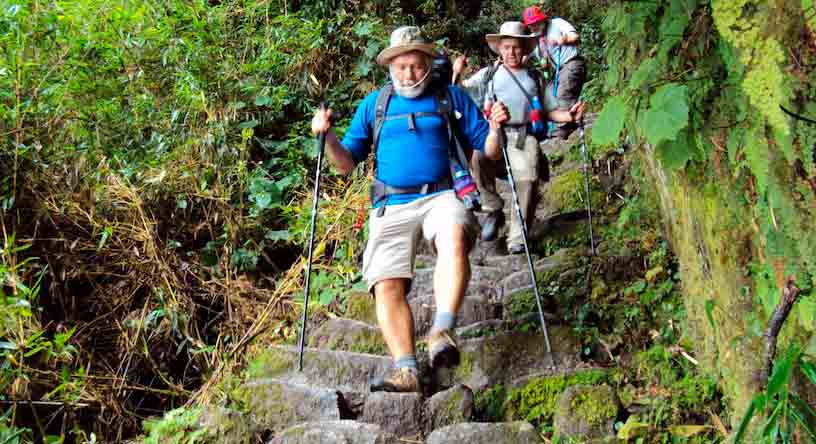
- Includes Wiñay Wayna (one of the most impressive ruins)
- No extreme altitude passes
- 1 night hotel in Aguas Calientes
- Still enters Machu Picchu through the Sun Gate
Best for:
Limited time, moderate fitness, or last-minute planners
Booking reality:
More availability, sometimes possible 2–4 months in advance
Quick Comparison: 2-Day vs 4-Day Inca Trail
| Feature | 4-Day Inca Trail | 2-Day Inca Trail |
| Duration | 4 days / 3 nights | 2 days / 1 night |
| Distance | 43 km | 14 km |
| Difficulty | Moderate to challenging | Easy to moderate |
| Max altitude | 4,215 m (Dead Woman’s Pass) | 2,650 m |
| Ruins visited | Multiple sites | Mainly Wiñay Wayna |
| Camping | 3 nights | None (hotel stay) |
| Permit demand | Extremely high | High but more flexible |
| Sell-out speed | Hours to days (peak) | Days to weeks (peak) |
So… Which One Should You Choose?
Use this quick filter:
- You want the iconic trek → 4-Day Inca Trail
- You’re short on time → 2-Day Inca Trail
- You’re worried about altitude → 2-Day
- You want the full story and challenge → 4-Day
Final Takeaway
If you’re serious about hiking the Inca Trail in 2026:
- Pick your dates early
- Choose your route first (2 vs 4 days)
- Book as soon as permits are released
This is not a trip you “figure out later.” The difference between planning early and waiting is simple: You either get your date, or you don’t.
FAQS
Can I book the Inca Trail last minute?
Very unlikely for the 4-day trek. The 2-day version may still have availability closer to your date, but it’s not guaranteed.
Do both versions require permits?
Yes. All official Inca Trail routes require permits issued through licensed operators.
Is the 2-day Inca Trail less worth it?
No. It still includes one of the best sections of the trail and the Sun Gate entrance, just without the multi-day challenge.
When do permits get released?
Typically in October for the following year. The best dates sell out first.
What happens if my dates are sold out?
You’ll need to change dates or choose an alternative trek like Salkantay or Lares.