
There are many aspects that a person considers before booking a trip. These can be related to budget, the number of days, or simply the route they want to take to reach the dream destination for travelers: Machu Picchu.
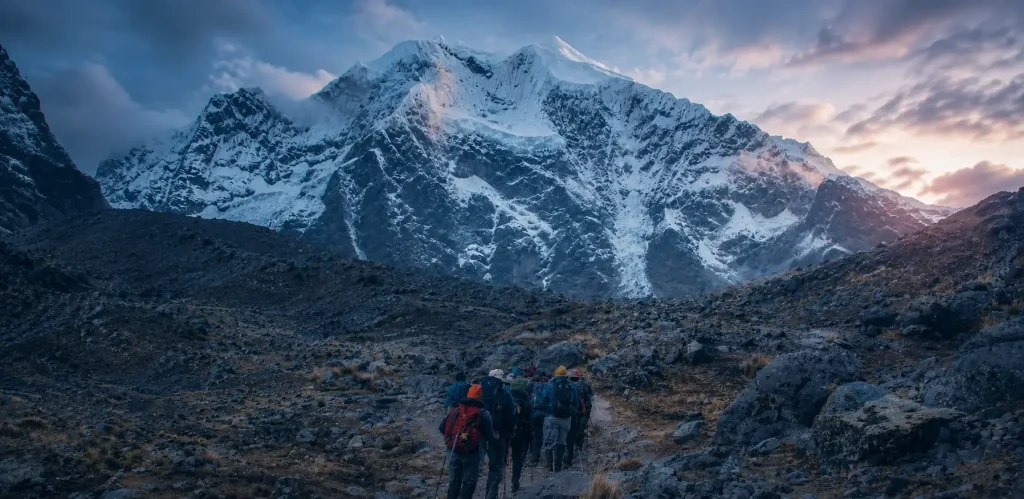
The Wild Mountain route is one of the most attractive routes to take on the way to Machu Picchu. This trail is known for its climbs and descents along rocky paths through the mountains, with ecosystems changing between cold and warm temperatures.
So, the real question is: Is the route difficult or not?
Types of Difficulty in High-Altitude Hikes
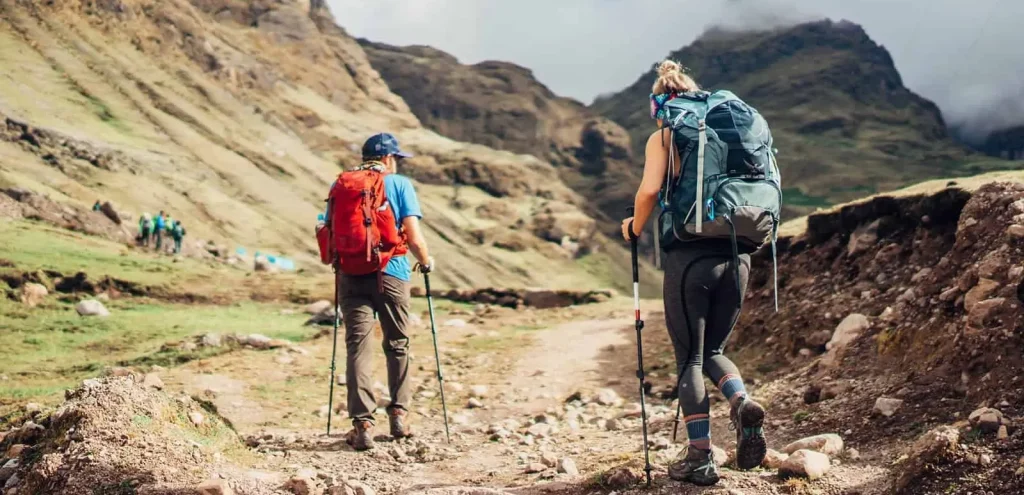
Every hike is unique and designed for each traveler. Although you may not believe it, they do not only vary in altitude or distance, but also in the type of path you follow, whether it includes climbs, descents, or different types of trails.
Here are some examples:
1. Easy
These hikes are very simple, like walks in the park. With this level of difficulty, you can enjoy the trip, landscapes, and history without needing to make much physical effort. The routes are usually flat, without many climbs or stairs.
2. Moderate
To walk this trail, it is necessary to be somewhat acclimatized, at least one day in the Andes or at high altitudes, have good energy, and be ready for a higher level of effort during the hike. There are some steep areas, but they are still manageable.
3. Challenging
This is one step higher because it requires a little more physical effort and climbing at high altitudes. It is recommended to have a little more time to acclimatize. At this level of hiking, you will need hiking shoes and possibly trekking poles for these treks.
Likewise, it is necessary to be in good physical shape and have endurance. We recommend that you train regularly.
4. Formidable
These “Formidable” treks are our most difficult treks. They require extra effort because reaching the top will be very rewarding. At least 4 or 5 days are needed to acclimatize. At this level, being in good physical shape is more than necessary.
What Level Is the Salkantay Trek?
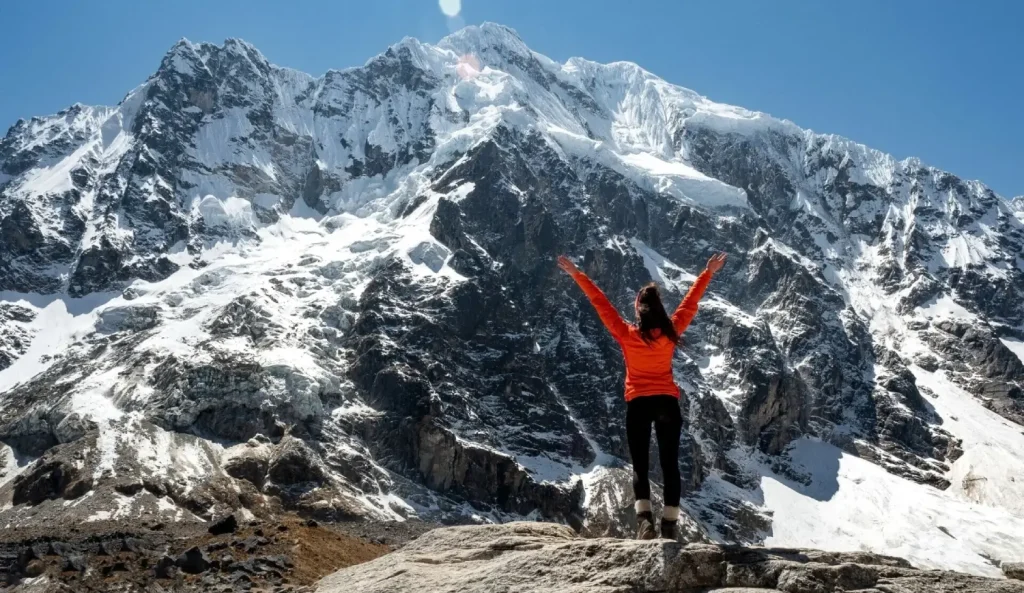
If we review the Salkantay trek day by day, we could conclude that it is a route considered Challenging. This is not only because of the altitude but also because there are many changes in the terrain, with climbs and descents.
What Is the Salkantay Trail Like?
The terrain is rocky and covered with dirt. The climbs are gradual, but the difficulty comes on the second day, as you climb for almost 4 hours toward the Salkantay Pass.
Difficult Points on the Salkantay Trek
Now that we have talked about the levels of difficulty, we will tell you which points you should consider for the Salkantay route:
- Day 1: You will walk a short route as part of the training for the following days. The first part takes almost 2 hours on flat terrain until you reach Soraypampa. In the afternoon, you will climb for almost two and a half hours to Humantay Lake. This route is rocky and uphill, making it one of the most difficult parts of the trek.
- Day 2: This is the longest day, when you will walk for more than 8 hours. The first section takes almost 4 hours to reach Salkantay Pass, with the final climb known as the Gringo Killer because of its difficulty and continuous uphill sections. The descent will take the same number of hours, along the same rocky terrain, until you reach a lower altitude and arrive at Collpapampa.
- Day 3: This is the easiest day, as it includes descents and some sections by car, allowing you to relax at the Cocalmayo hot springs.
- Day 4: The climbs continue until the last archaeological site on the route. You will climb stairs for almost 3 hours to reach Llactapata. From the top, you can admire Machu Picchu from a distance.
Considering all these points, it is necessary to train as well as possible to avoid having a difficult time during the hike.