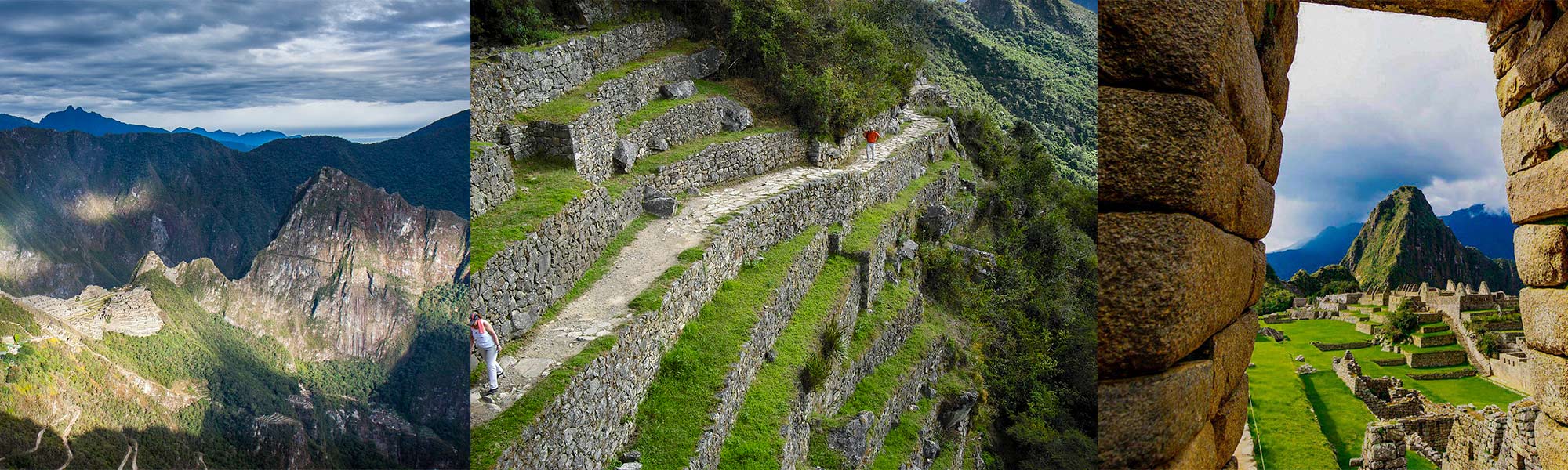
The Weather on the 2 day Inca Trail can be divided in 2 main seasons:
- The Dry Season – running from late April through to early October.
- The Wet Season – starts mid to late October and ends in April.
When is the best time to do the hike?
The hike can technically be completed all year round, except in February when it’s closed for maintenance. The peak trekking season to Machu Picchu occurs during the dry season and is busiest between May and September.
The best time of year to do the 2-day Inca Trail, in our opinion, are the shoulder seasons. At the start of the year that is March and April, which is still a part of the rainy season but of tapered intensity and with far fewer people not just on the trail, but in Machu Picchu itself. Or during the months of October and November. This is just before the rainy season properly begins and generally falls as the weather is getting a little warmer.
Not the best time, but less hikers.
In the rainy season (November to February), there are frequent heavy tropical showers. The Cusco region has a tropical high mountainous type of weather. This means the weather can change within minutes from sunshine to rain.
Rain is usually localized and moves on quickly. It is not common for rain to fall all day long. This only happens occasionally in the depths of the rainy season.
Weather reports are very misleading in Cusco. It can show on the weather forecast that it is raining all day every day; but all that means is somewhere in our mountainous region there will be a shower. Even in the city itself there can be torrential rain in one area and bright sunshine 15 minutes down the road.
The weather on the Inca Trail is unpredictable and difficult to foresee. As with Cusco, the trail has tropical mountainous weather that’s very affected by the wet and dry seasons. Machu Picchu is also in the foot of the Amazonian jungle and therefor has a warmer climate compared to Cusco.
Weather on the 2 Day Inca Trail to Machu Picchu
As with all outdoor hikes, we recommend that you spend time researching typical weather conditions around the time of your visit. This will help you plan and pack better for your trip.
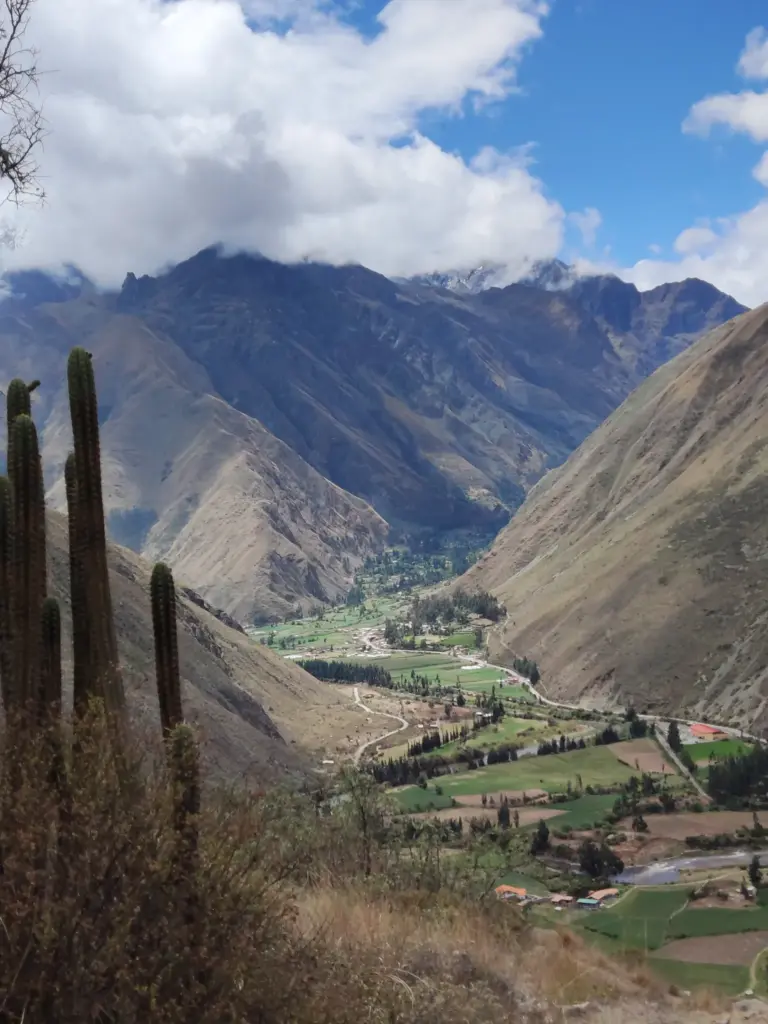
DRY SEASON
May through September is dry season. That doesn’t mean it won’t ever rain, but rain and even showers are extremely rare during this time of the year
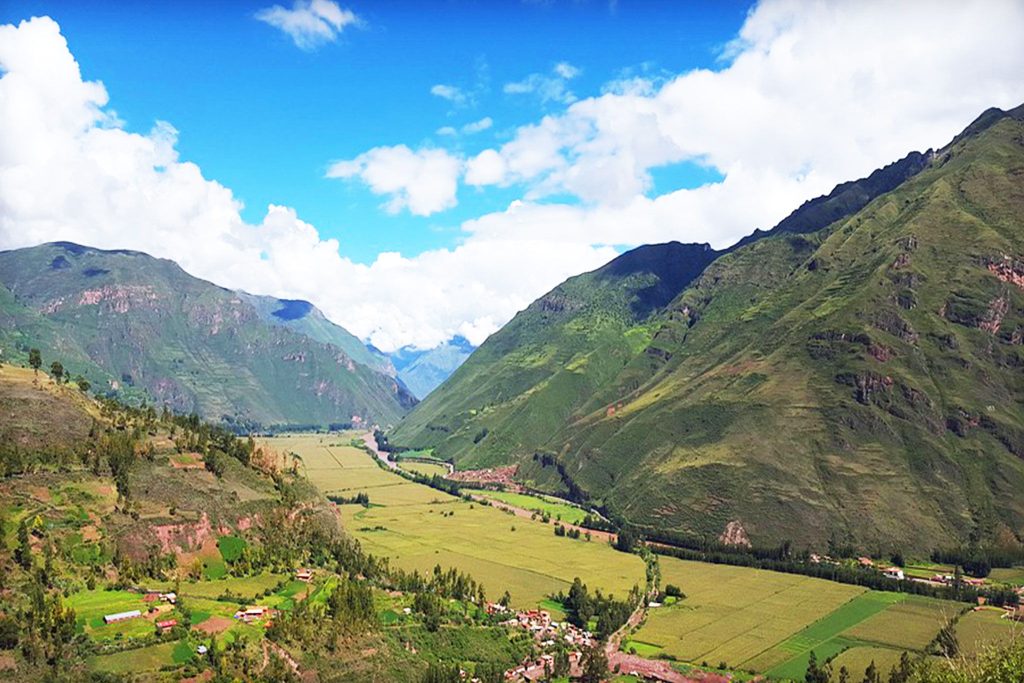
RAINY SEASON
The rainy season usually starts from November and lasts until the end of March. During these months you may experience heavy tropical showers frequently. February is the wettest month and the Inca Trail is closed for maintenance as landslides are a risk.
Average Temperatures
Daytime: 68°F – 80°F (20°C – 27°C) Night time: 50°F – 64°F (10°C – 18°C)
Best Time to hike the 2 day Inca Trail
- The peak season for Machu Picchu is during the region’s dry season, when dry and sunny conditions are most likely. However, this also comes with huge crowds.
- The low season for Machu Picchu is during the rainy season. There are fewer tourists, but there’s also a much higher probability of heavy rain. You’ll need to make sure you pack your rain gear if you decide to hike during this season.
Why hike the 2 day Inca Trail?
- You are hiking the last 1/3 of the famous Classic Inca Trail- known worldwide and on the bucket list of many avid trekkers
- You will trek through history, passing through archeological sites on your way to Machu Picchu
- The views from the Sun Gate to Machu Picchu Citadel are spectacular.
- You have the opportunity to climb Huayna Picchu Mountain or Machu Picchu Mountain on day 2 if you wish to add another challenge.
- You are hiking the actual trail that the Ancient Incas hiked more than 500 years ago.
- You get to visit Machu Picchu Citadel twice, as you arrive on day one of the trek, and again after you have showered and rested on day two.
FAQS
What is the weather like on the 2-Day Inca Trail?
The weather on the 2-Day Inca Trail is humid and variable. Since the route passes through cloud forest, you can expect mist in the morning, warm temperatures during the day, and occasional rain at any time of year.
What temperatures should I expect on the Short Inca Trail?
Daytime temperatures usually range between 10°C and 20°C, making it comfortable for hiking. Early mornings can feel cooler, especially before the sun breaks through the clouds.
Does it rain on the 2-Day Inca Trail?
Yes, rain is possible year-round. The rainy season from November to March brings more frequent showers, while the dry season from April to October has more stable weather but still occasional rain and humidity.
What is the best time of year for good weather on the 2-Day Inca Trail?
The best time is during the dry season, from April to October, when you get clearer skies and less frequent rain. However, even in these months, early morning mist and cloud cover are common.
How should I prepare for the weather on the 2-Day Inca Trail?
You should pack for changing conditions. Bring lightweight layers, a waterproof jacket, sun protection, and good hiking shoes with grip, since the trail can be wet and slippery even without rain.


