If you’re looking for a high-impact trek to Machu Picchu without the permit stress of the Inca Trail, the Salkantay Trek is your best alternative. It’s raw, scenic, and physically rewarding. But it’s also higher, more exposed, and less structured than the Inca Trail.
This guide breaks it down clearly so you can decide if it’s right for you.
What Is the Salkantay Trek?
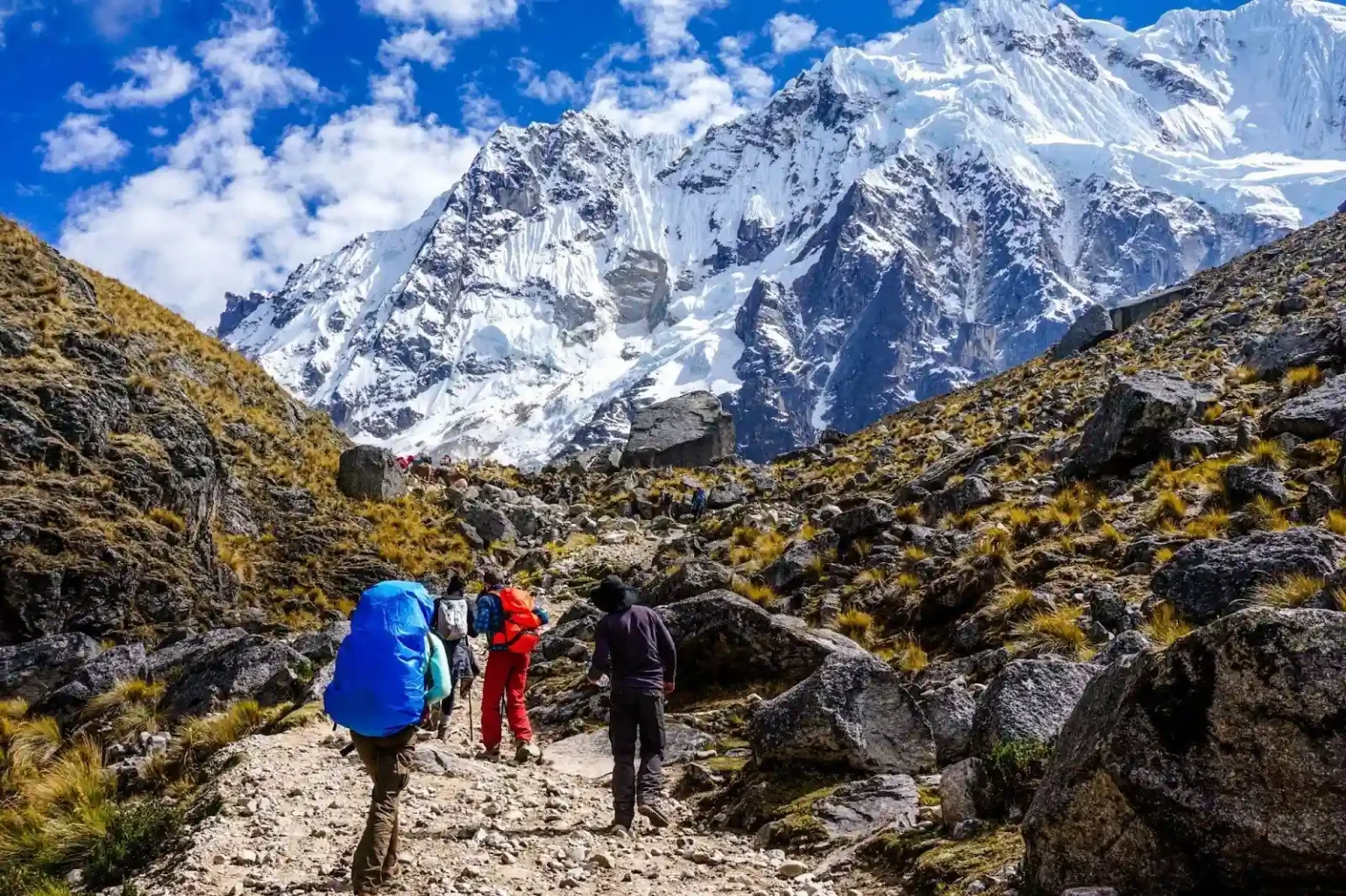
The Salkantay Trek is a multi-day hike through the Andes that connects high mountain terrain with the cloud forest before reaching Machu Picchu.
- Duration: 4–5 days
- Distance: ~70 km (43 miles)
- Max altitude: ~4,600 m (15,091 ft)
- Start point: Near Soraypampa
- End: Machu Picchu via Aguas Calientes
Unlike the Inca Trail, no permits are required, which makes it ideal for last-minute planning.
How Difficult Is the Salkantay Trek?
Short answer: Moderate to challenging. The difficulty comes from altitude + long trekking days, not technical terrain.
What makes it demanding:
- Crossing Salkantay Pass (4,600 m)
- Cold nights at high altitude
- Long hiking days (6–9 hours)
- Rapid changes in climate
What makes it manageable:
- No technical climbing
- Well-established routes
- Supported tours with guides and logistics
If you’re reasonably fit and acclimatized, it’s achievable. But it’s not a casual walk.
What Makes Salkantay Different from the Inca Trail?
This is where most travelers hesitate.
Salkantay:
- Bigger, more open landscapes
- Fewer ruins along the way
- No permit restrictions
- More flexible logistics
Inca Trail:
- Historic stone paths
- Multiple archaeological sites
- Iconic Sun Gate arrival
- Strict permit system
Key takeaway:
Salkantay is about nature and scale, not archaeology.
What Is the Route Like?
The classic 4-day route follows a clear progression:
1st Day: Cusco → Soraypampa
- Gradual ascent
- Optional hike to Humantay Lake
- First exposure to altitude
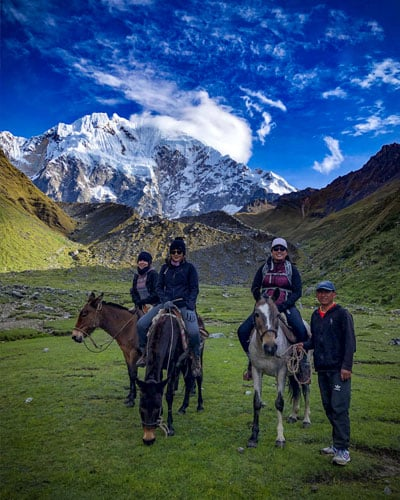
2nd Day: Salkantay Pass (Highest Point)
- The toughest day
- Reach ~4,600 m
- Cold, exposed conditions
- Long descent afterward
3th Day: Cloud Forest Transition
- Warmer temperatures
- Lush vegetation
- Easier terrain
4th Day: Machu Picchu Access
- Train or final hike depending on itinerary
- Early visit to Machu Picchu
This contrast between environments is one of the trek’s biggest strengths.
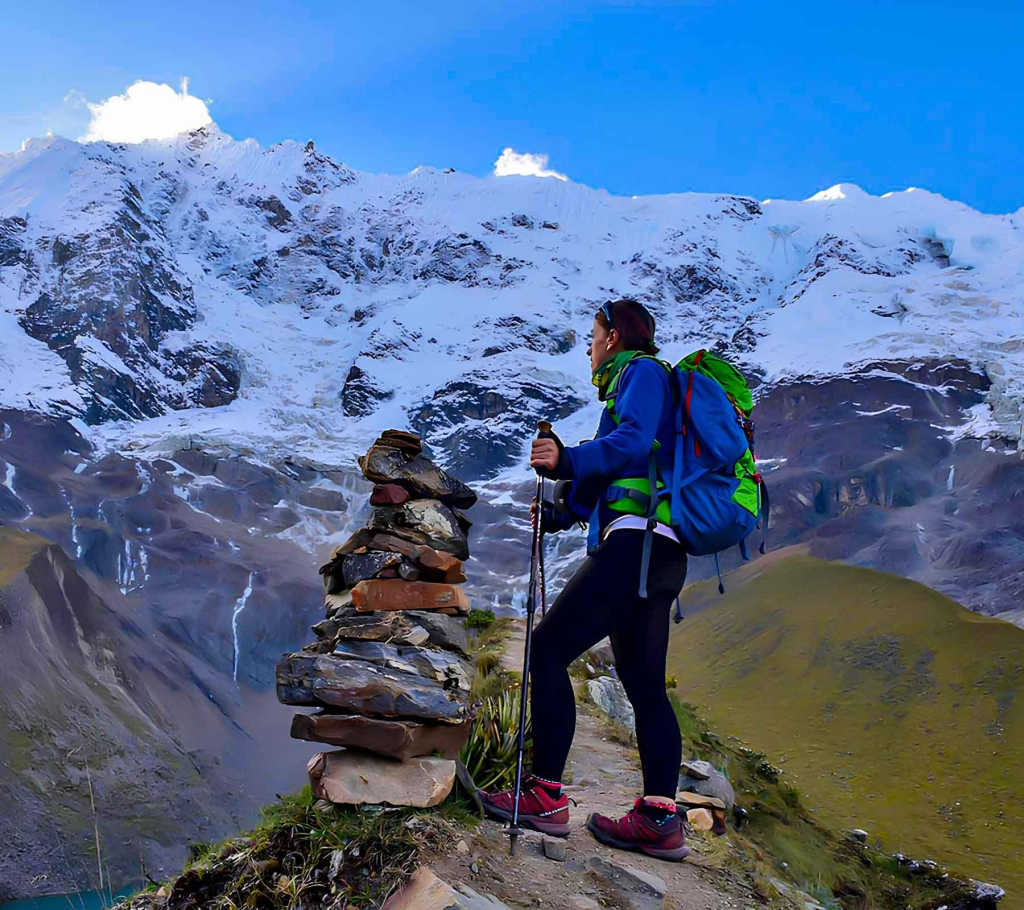
Weather on the Salkantay Trek
Conditions vary significantly by altitude.
Dry season (May–September)
- Best trekking conditions
- Cold nights at altitude
- Clear mountain views
Shoulder months (April, October)
- Good balance of weather and fewer crowds
Rainy season (November–March)
- Muddy trails
- Less predictable conditions
- Still possible, but less ideal
What About Accommodation?
This is where experiences vary the most.
Standard Trek:
- Basic tents
- Campsites with minimal infrastructure
- Functional, but simple
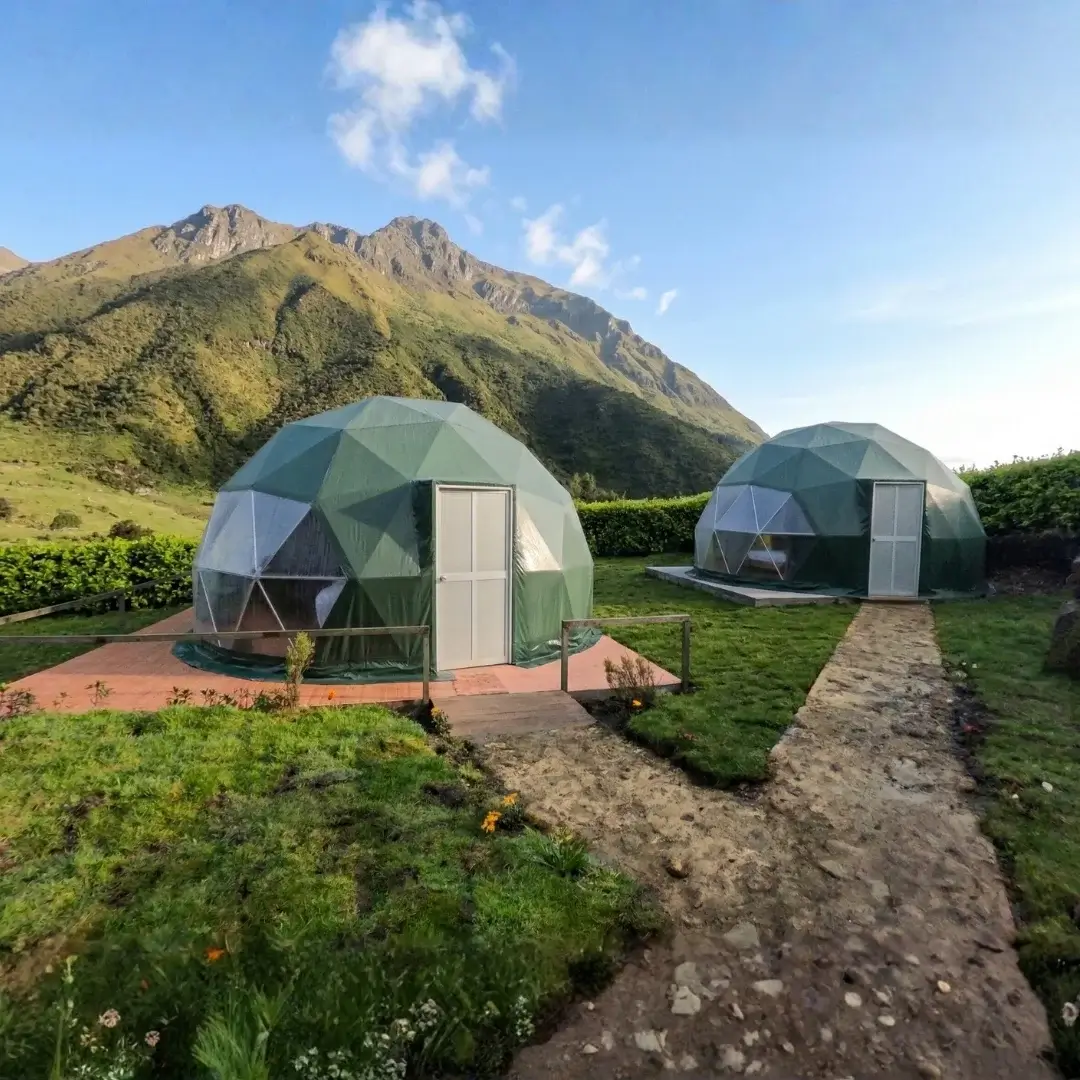
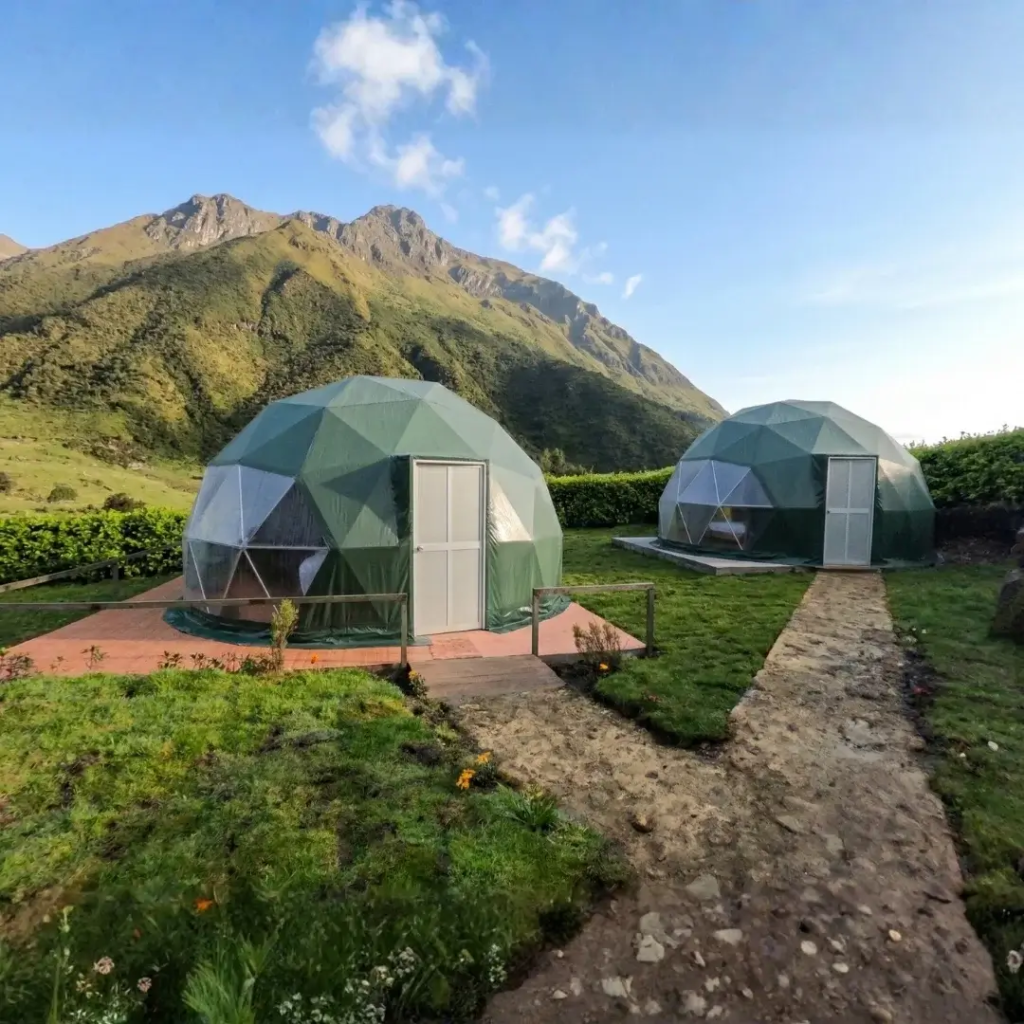
Dome Experience (Upgraded Option):
Based on premium circuits like the Signature Salkantay Dome route:
- Insulated domes instead of tents
- Real beds and better rest
- Improved food quality
- More comfortable recovery at altitude
This doesn’t make the trek easier physically, but it improves overall experience significantly, especially after long hiking days.
How Much Does the Salkantay Trek Cost?
Prices vary depending on comfort level and operator.
Typical ranges:
- Budget tours: $400–$600 USD
- Premium / dome experiences: $530+ USD
Factors that affect price:
- Accommodation type
- Group size
- Inclusions (train, meals, entrance tickets)
- Guide quality
Do You Need a Guide for Salkantay?
Technically, no. But realistically, yes.
Why most people go guided:
- Route logistics are complex
- Camps and meals are arranged for you
- Safer in case of altitude issues
- Better overall pacing
Independent trekking is possible, but requires planning, gear, and experience.
Is Salkantay Worth It?
For the right traveler, absolutely. Choose Salkantay if:
- You want a permit-free trek
- You prefer landscapes over ruins
- You’re comfortable with altitude
- You want a more flexible, less crowded route
It’s not the same as the Inca Trail. But it’s not meant to be.
FAQS
Is Salkantay harder than the Inca Trail?
Yes. It reaches higher altitude and has longer trekking days, making it more physically demanding overall.
Can beginners do the Salkantay Trek?
Yes, if you’re fit and properly acclimatized. It’s challenging but not technical.
Do you need permits for Salkantay?
No. That’s one of its biggest advantages compared to the Inca Trail.
How cold does it get?
At high altitude, temperatures can drop below freezing at night, especially near Salkantay Pass.
Is the dome experience worth it?
If comfort matters to you, yes. Better sleep and recovery can make a big difference over multiple trekking days.