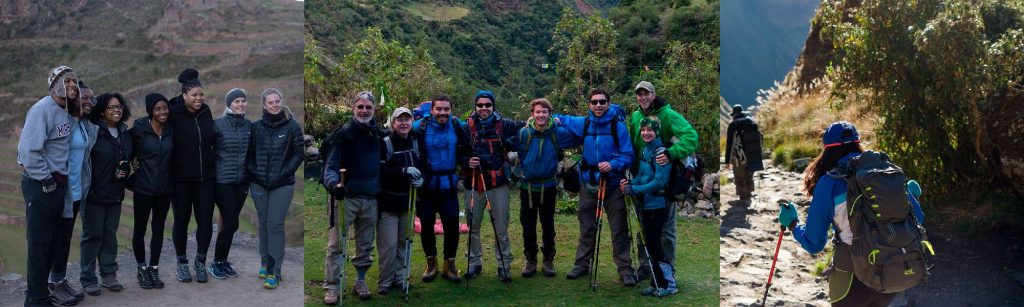
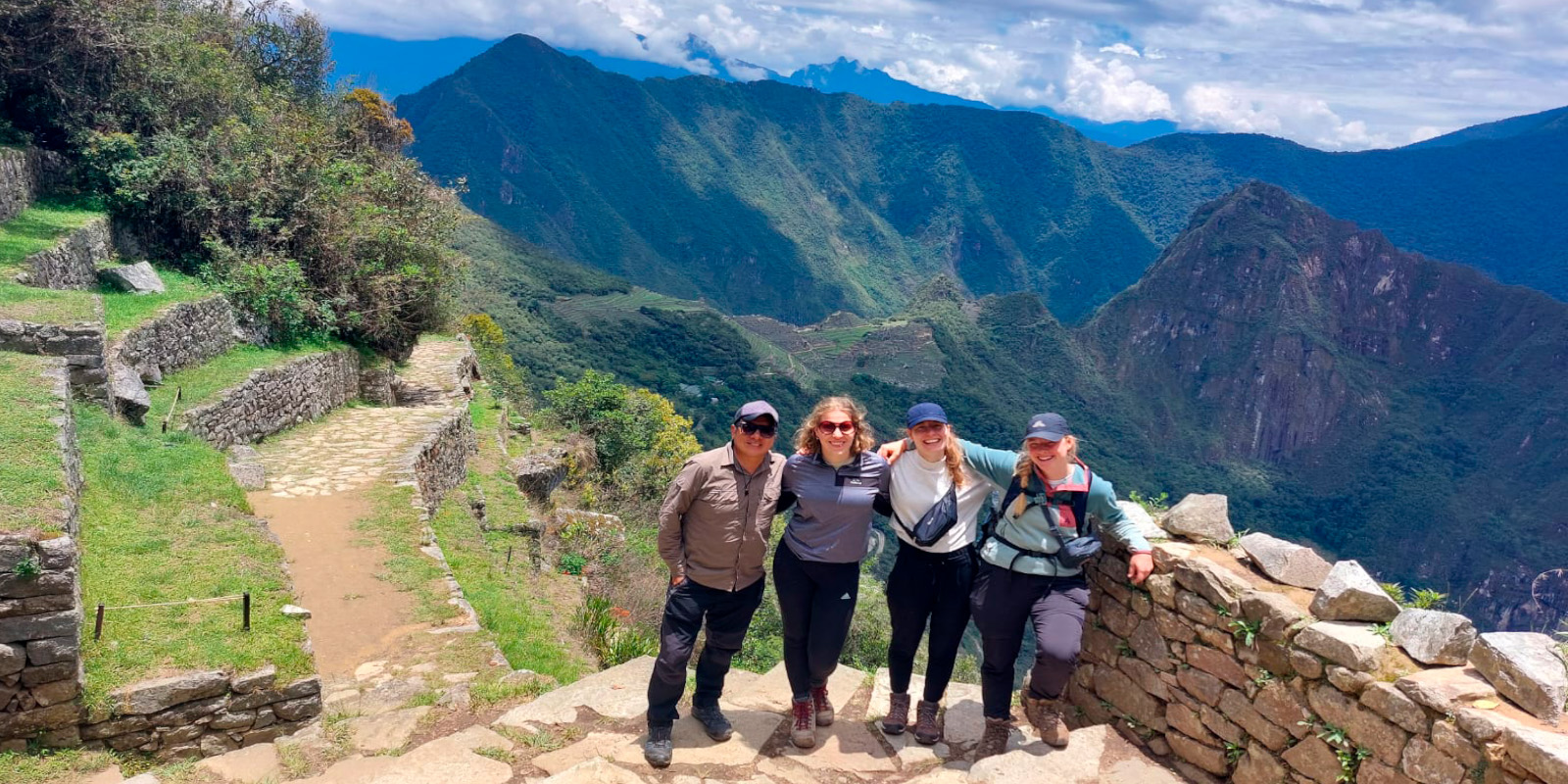
Planning to hike the Inca Trail to Machu Picchu? One of the first decisions you’ll need to make is whether to choose the Short Inca Trail or the Classic 4-day route.
Both follow the same ancient path and end at Machu Picchu through the Sun Gate. But the experience, difficulty, and time commitment are very different.
The right choice depends on how much time you have, how comfortable you are with hiking at altitude, and what kind of experience you are looking for.
What is the main difference between the Short and Classic Inca Trail?
The difference comes down to three things: time, difficulty, and depth of experience.
The Short Inca Trail is a 2-day trek that covers only the final section of the route. You hike about one full day and then visit Machu Picchu the next day.
The Classic Inca Trail is the full 4-day route. You hike through different landscapes, cross high mountain passes, and visit multiple Inca sites before reaching Machu Picchu.
Key stats comparison
If you want a quick way to understand the difference, this breakdown helps a lot:
| Feature | Short Inca Trail | Classic Inca Trail |
| Duration | 2 days / 1 night | 4 days / 3 nights |
| Distance | 10 to 12 km | 42 to 43 km |
| Hiking days | 1 main hiking day | 4 days of hiking |
| Difficulty | Moderate | Moderate to challenging |
| Highest point | 2,720 m (Sun Gate) | 4,200 m (Dead Woman’s Pass) |
| Altitude range | 2,200 to 2,700 m | 2,700 to 4,200 m |
| Camping | No (hotel stay) | Yes (3 nights camping) |
| Entry to Machu Picchu | Sun Gate | Sun Gate |
The Classic Inca Trail is over three times longer and reaches much higher altitude, which makes it significantly more demanding.
How difficult is each trek?
The Classic Inca Trail is physically demanding.
You hike for 5 to 8 hours per day, and the second day includes a steep climb to Dead Woman’s Pass at over 4,200 meters. This is the toughest part of the route and where most people feel the altitude.
The Short Inca Trail is much easier.
You hike around 10 to 12 km in one day, with a steady uphill section but without extreme altitude. Since it stays below 3,000 meters, the risk of altitude sickness is much lower.
For most travelers, the short version feels challenging but manageable.
What kind of experience does each one offer?
The Classic Inca Trail is a full trekking experience.
You camp along the route, pass through mountain valleys and cloud forest, and visit several archaeological sites like Patallacta and Sayacmarca before reaching Machu Picchu.
The Short Inca Trail is more focused.
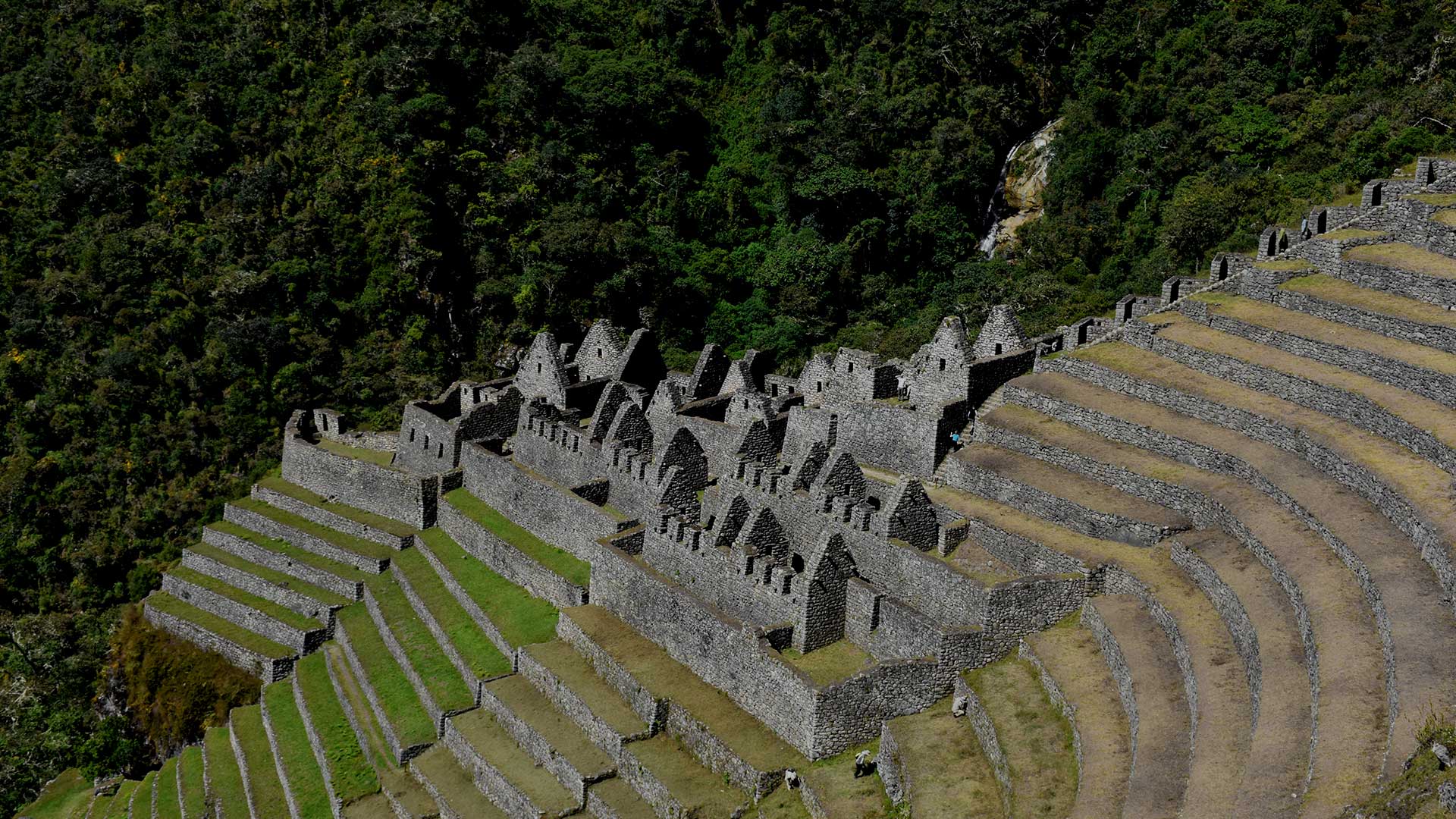
You still walk on the original Inca path, visit Wiñay Wayna, and enter through the Sun Gate, but without the multi-day effort.
It’s a more efficient way to experience the highlights.
Which one is better for beginners?
The Short Inca Trail is the better choice for most beginners.
It gives you the Inca Trail experience without long hiking days or extreme altitude.
The Classic route is better for travelers who:
- Enjoy multi-day hikes
- Are comfortable at high altitude
- Want a more immersive journey
Which Inca Trail should you choose?
If you have limited time or prefer a moderate hike, the Short Inca Trail is the best option.
If you want a complete trekking experience and are prepared for a physical challenge, the Classic Inca Trail is worth it.
Both routes end at Machu Picchu, but the journey is what makes the difference.
FAQS
Is the Short Inca Trail worth it compared to the Classic route?
Yes, especially if you are short on time. You still hike part of the original trail and enter Machu Picchu through the Sun Gate.
Do both routes require permits?
Yes, both require permits issued by the government. The Classic Inca Trail usually sells out months in advance.
Which Inca Trail is more difficult?
The Classic Inca Trail is more challenging due to longer distances and higher altitude, especially on the second day.
Can beginners do the Classic Inca Trail?
Yes, but preparation is important. You should be comfortable hiking several hours per day at altitude.
Do both routes include Machu Picchu entry?
Yes, both include a guided visit to Machu Picchu at the end of the trek.