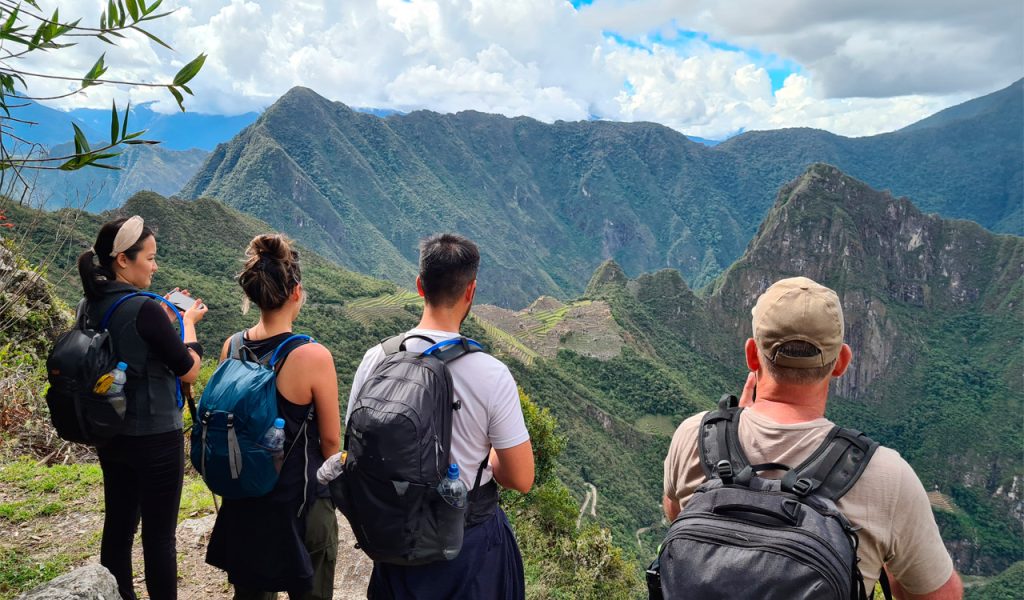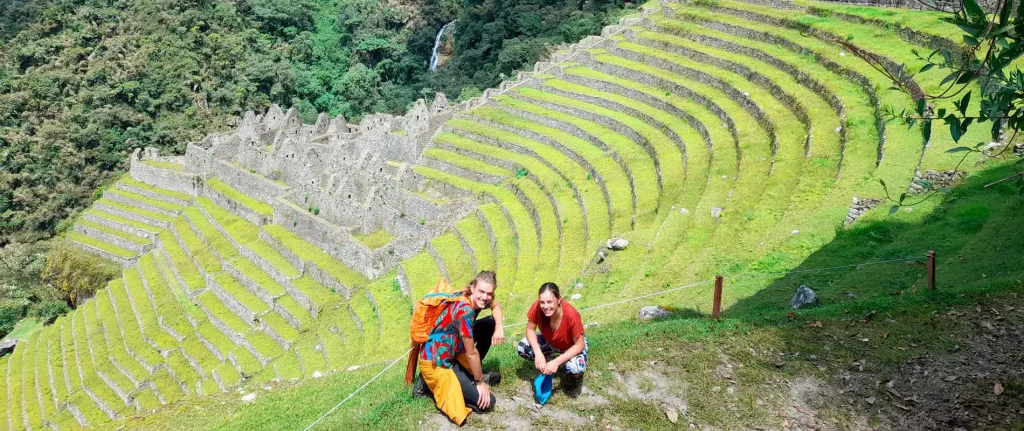
Safety is one of the most common concerns when planning the Inca Trail. You are hiking for several days in the mountains, often far from cities, and at high altitude. So it is a valid question.
The short answer is yes:
the Inca Trail is very safe when done with a licensed operator.
This guide explains why, what safety systems are in place, and what role guides and infrastructure play in keeping you safe.
Is the Inca Trail safe for travelers?
Yes, the Inca Trail is considered a well-regulated and controlled trekking route.
Access is strictly limited and managed by the Peruvian government. Only authorized operators can run tours, and all groups must follow established routes and campsites.
This creates a controlled environment where:
- The number of hikers has a limit
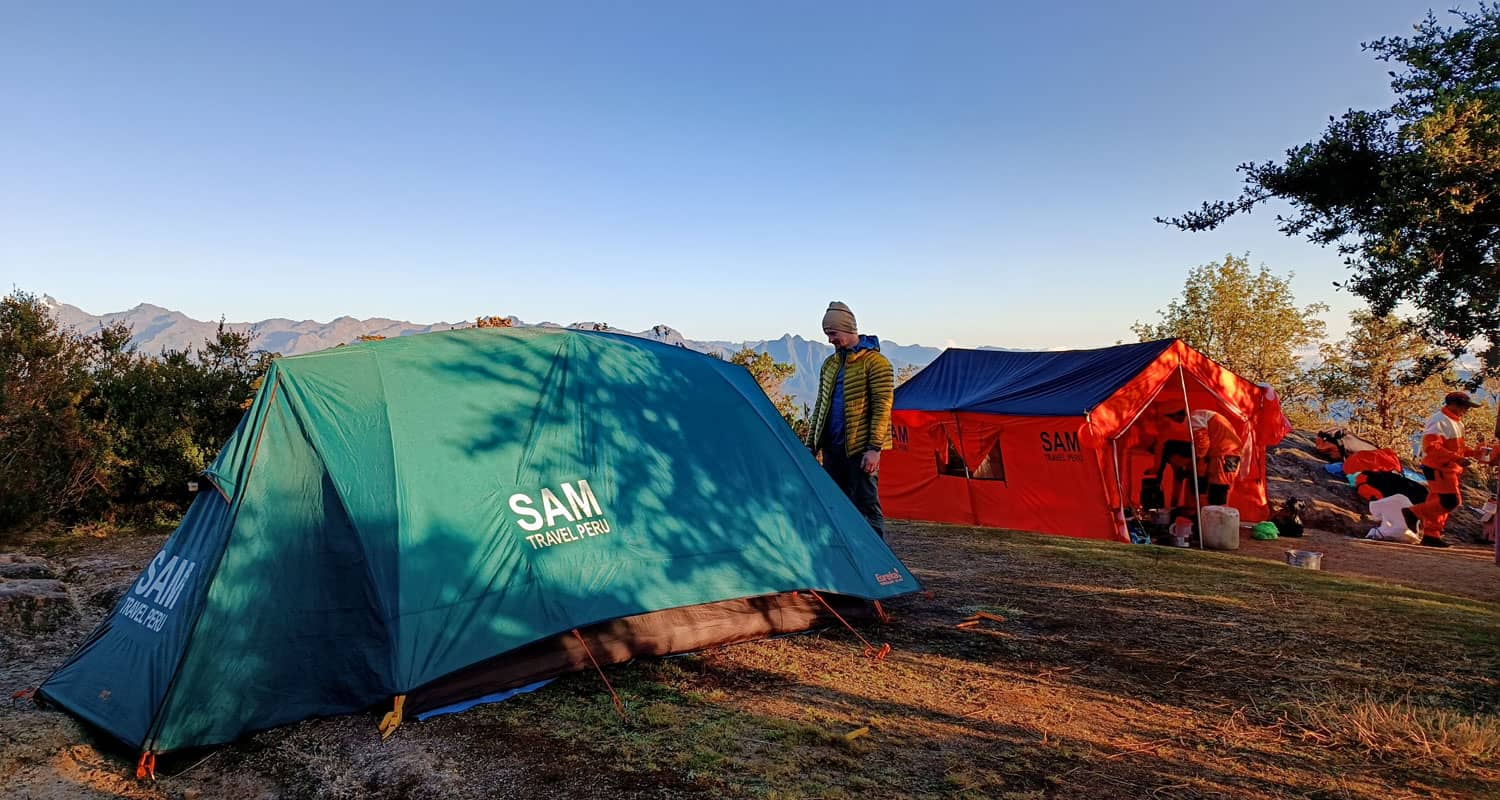
- Campsites are organized and monitored
- Emergency response systems are in place
Bottom line:
It is not a remote, unregulated trek. It is one of the most structured trekking experiences in South America.
Safety infrastructure and systems
| Safety Element | What It Means for You |
| Controlled permits | Limited number of hikers per day reduces overcrowding and risk |
| Fixed routes | Clearly defined paths prevent getting lost |
| Official checkpoints | Entry and exit are monitored throughout the trail |
| Designated campsites | Safe, pre-approved places to rest each night |
| Park rangers | Constant presence along the route |
| Emergency evacuation routes | Access points for assistance if needed |
Safety support from guides and trekking teams
Your guide is one of the most important safety factors. Licensed Inca Trail guides are trained not just in history, but in risk management and emergency response.
Guide training and expertise
| Guide Capability | Why It Matters |
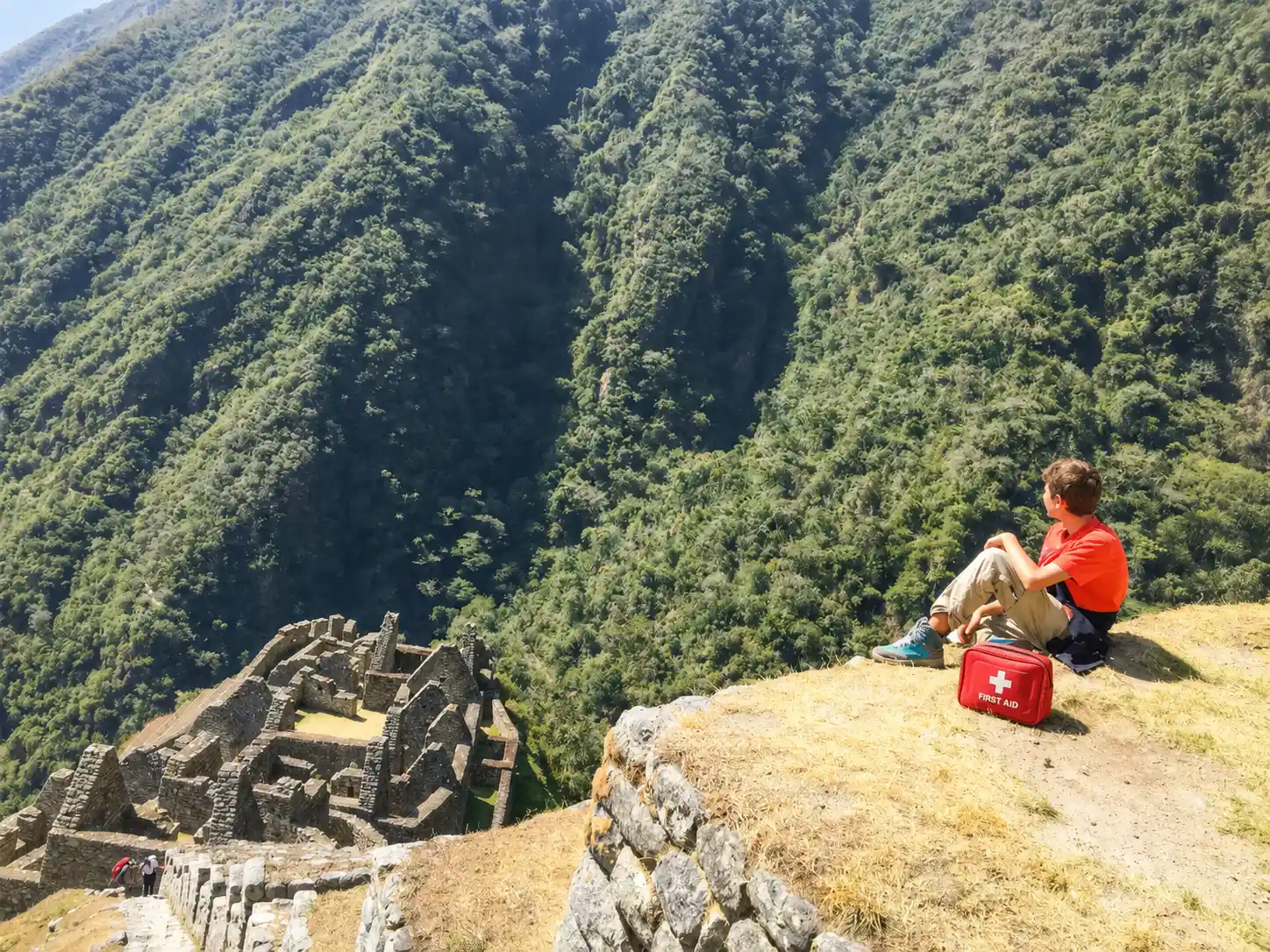
| First aid certification | Immediate response to injuries or health issues |
| Altitude management | Early detection of altitude sickness symptoms |
| Route knowledge | Knowing the safest pace, rest points, and conditions |
| Emergency protocols | Clear action plans in case of incidents |
| Communication systems | Coordination with support teams and park authorities |
Beyond guides, you also have:
- Porters supporting logistics
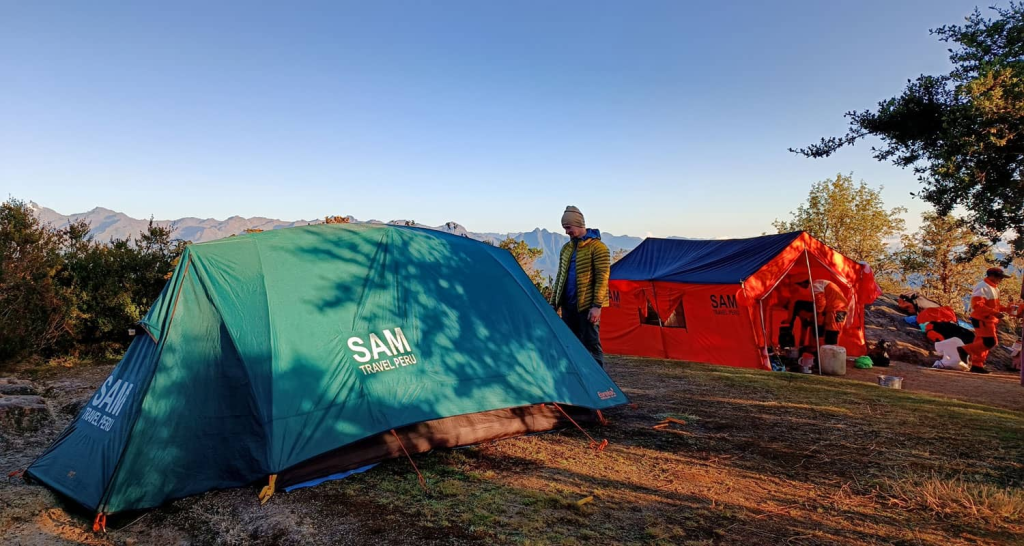
- Organized camps set up ahead of arrival
- Structured daily schedules
Bottom line:
You are not hiking alone. You are part of a coordinated team.
What are the real risks on the Inca Trail?
Like any mountain trek, there are some risks, but they are manageable.
1. Altitude sickness
- The highest point reaches 4,200 m (Dead Woman’s Pass)
- Symptoms can include headache, fatigue, nausea
How it is managed:
- Gradual ascent
- Guide monitoring
- Acclimatization before the trek
2. Physical fatigue
- Multiple days of hiking
- Steep stone steps
How it is managed:
- Controlled pacing
- Regular breaks
- Support from guides
3. Weather conditions
- Rain, especially in wet season
- Slippery sections
How it is managed:
- Proper gear (rain jacket, good shoes)
- Guides adjusting pace and timing
Is the Inca Trail safe for beginners?
Yes, if you prepare properly.
You do not need to be an expert hiker, but you should:
- Have basic fitness
- Be comfortable walking several hours per day
- Acclimatize before starting
The presence of guides and structured camps makes it much safer than independent trekking routes.
When is the Inca Trail NOT safe?
Safety depends heavily on how you organize your trip.
Risk increases if:
- You choose an unlicensed operator
- You skip acclimatization
- You underestimate the physical effort
- You do not bring proper gear
These are avoidable mistakes.
Final verdict
The Inca Trail is one of the safest multi-day treks in Peru, thanks to:
- Strict government regulation
- Controlled access and infrastructure
- Professional guides with safety training
- Established emergency systems
If you go with a reputable operator and prepare properly, it is a safe and well-supported experience.
FAQS
Is the Inca Trail dangerous?
No. While it is physically demanding, it is not dangerous when done with a official operator and proper preparation.
Are there medical facilities on the Inca Trail?
There are no hospitals on the trail. Our guides carry first aid kits and have first responder training to handle emergencies. Evacuation routes are available if needed.
What is the biggest risk on the Inca Trail?
Altitude sickness is the most common issue, but it is manageable with acclimatization and proper pacing.
Do guides have first aid training?
Yes. Licensed guides are trained in first aid and emergency response as part of their certification.
Is it safe to hike the Inca Trail alone?
No. Independent hiking is not allowed. You must go with an authorized operator, which adds an extra layer of safety.